



Conditions · Lipedema
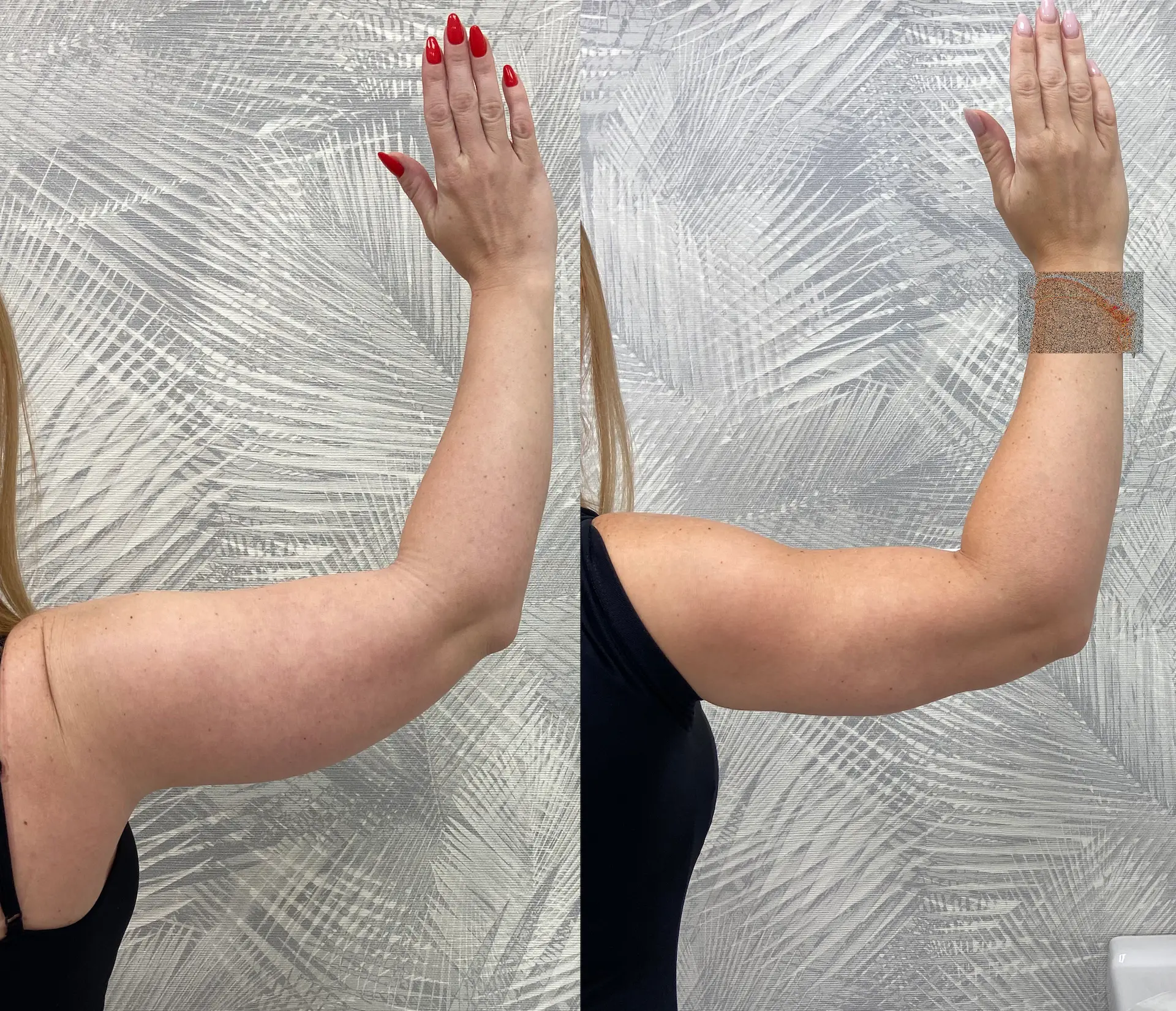
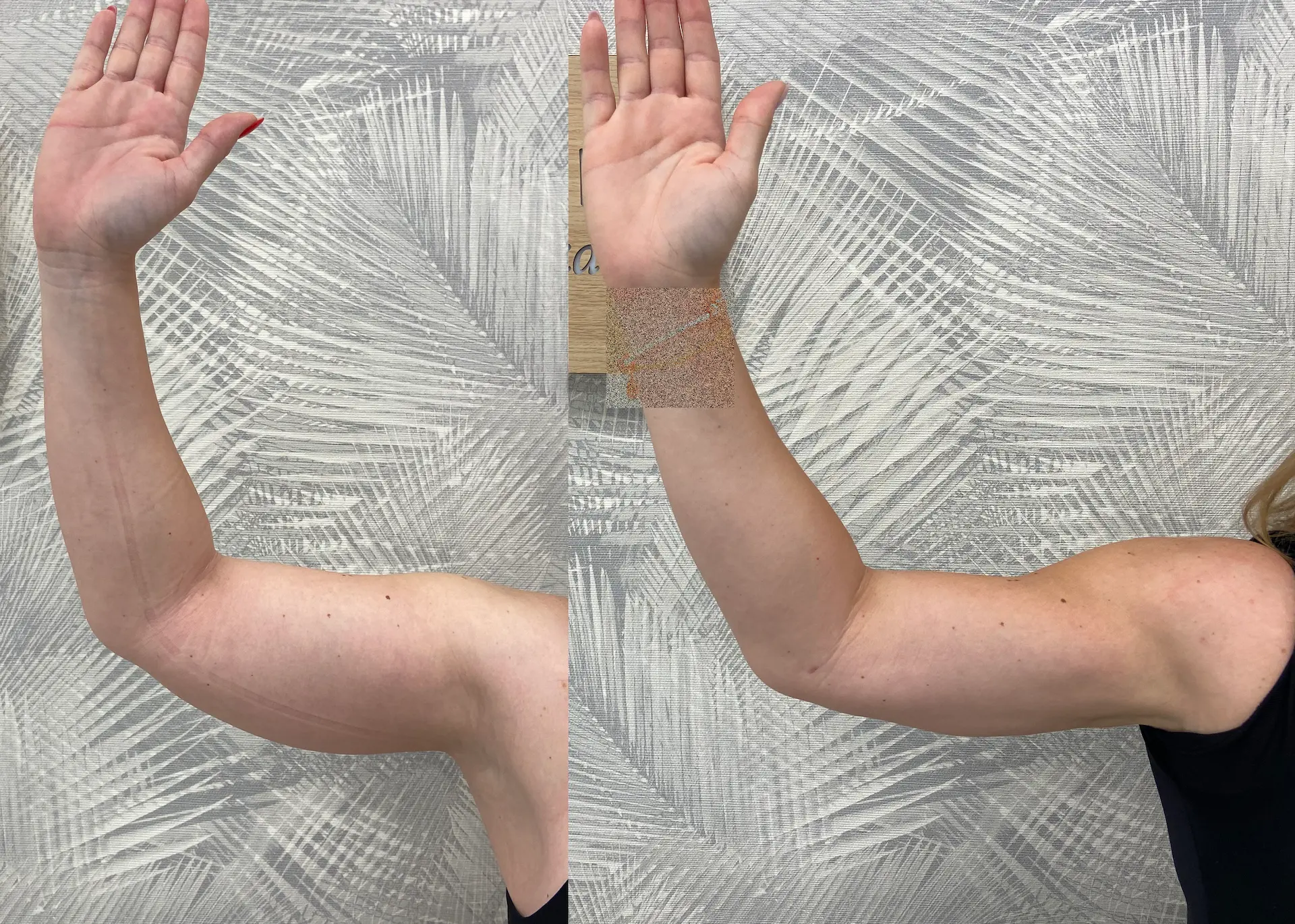
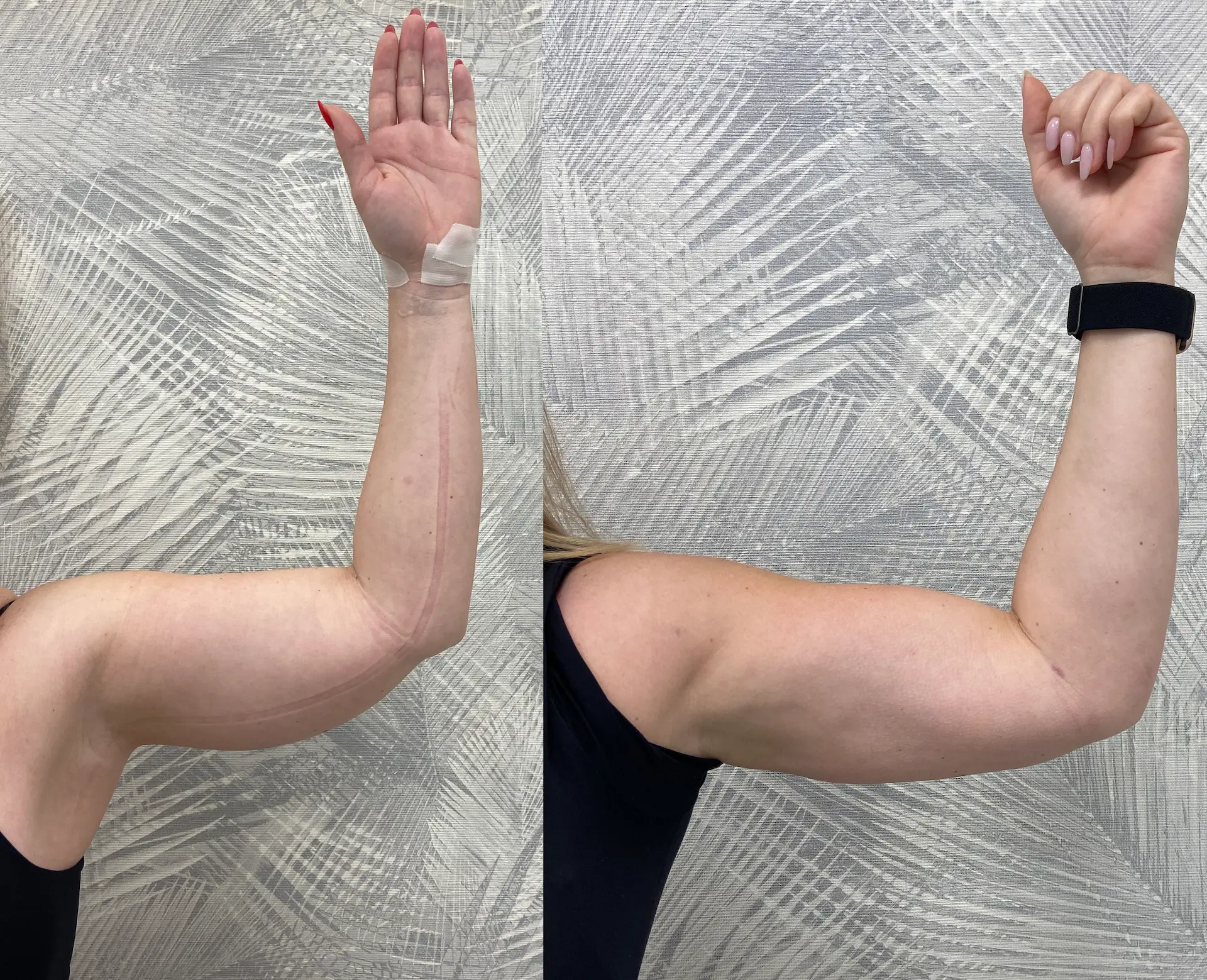
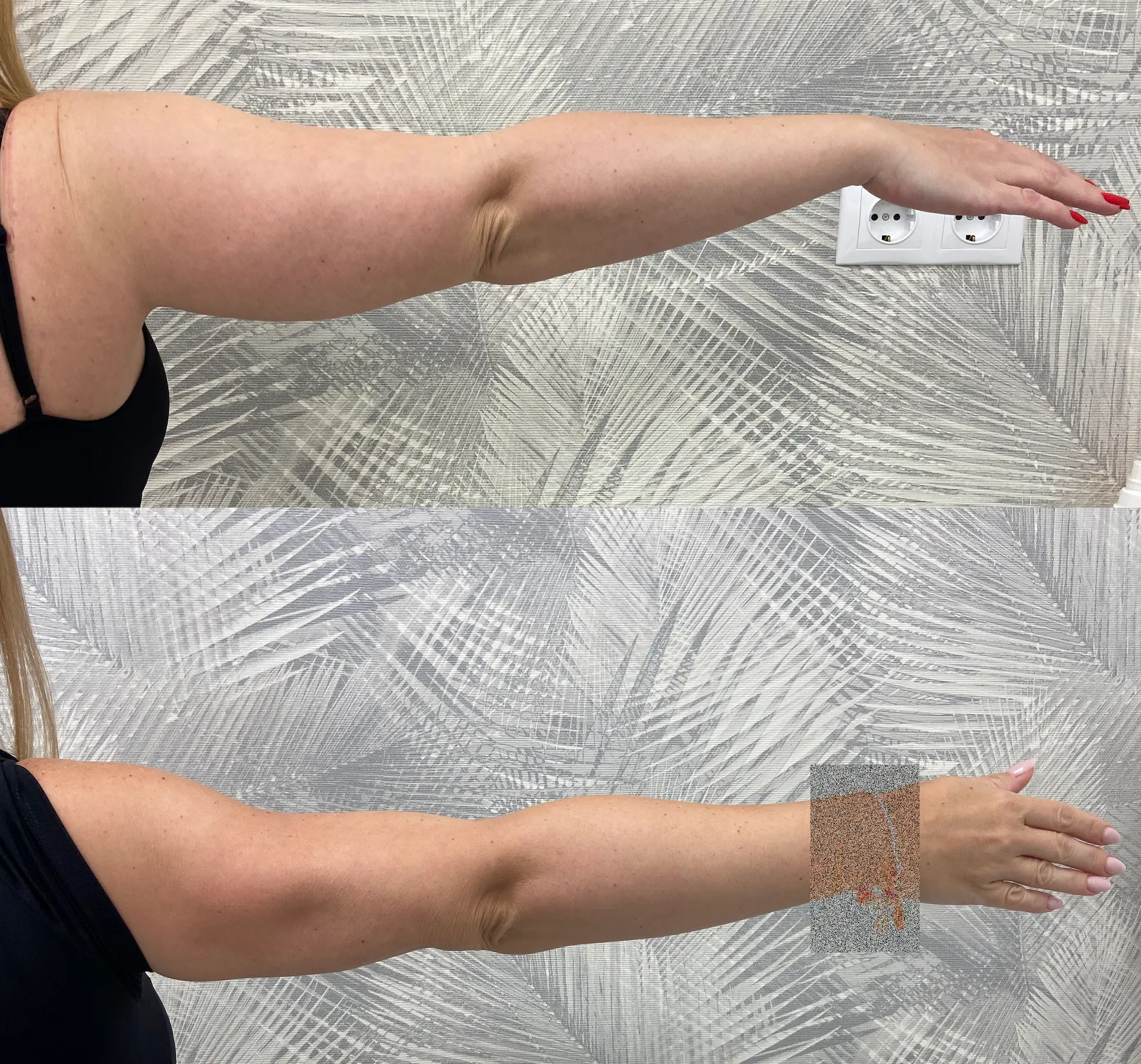
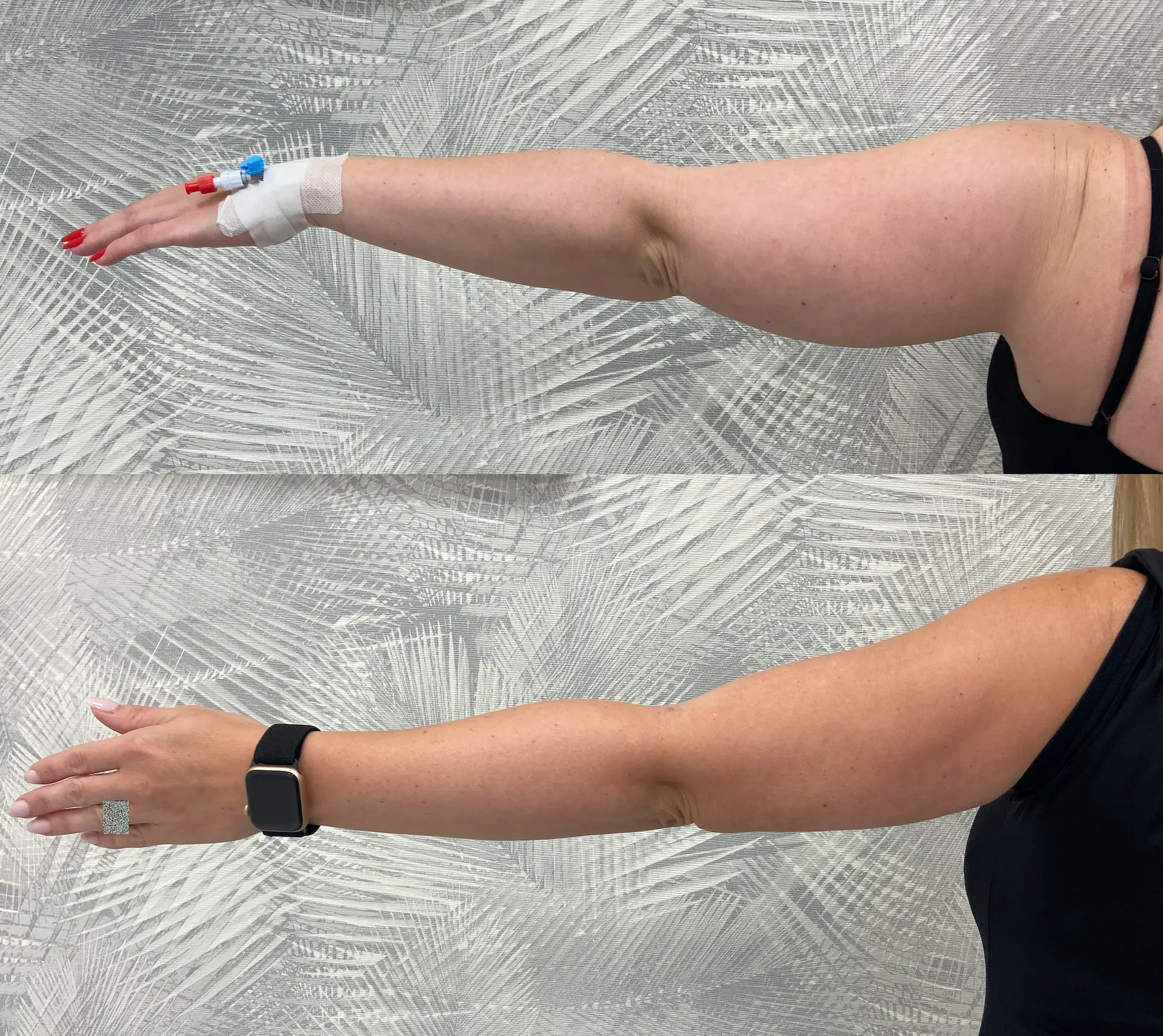
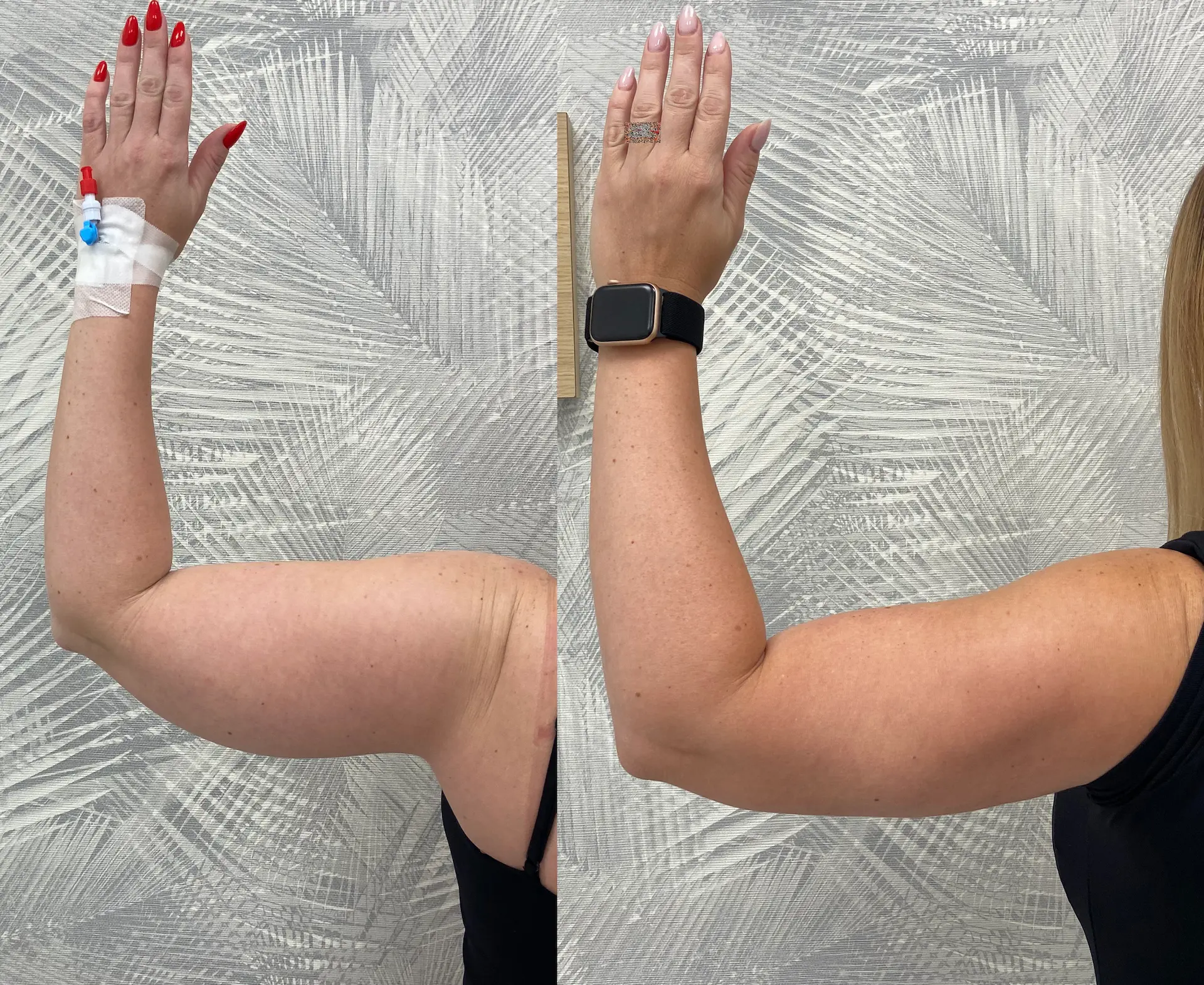
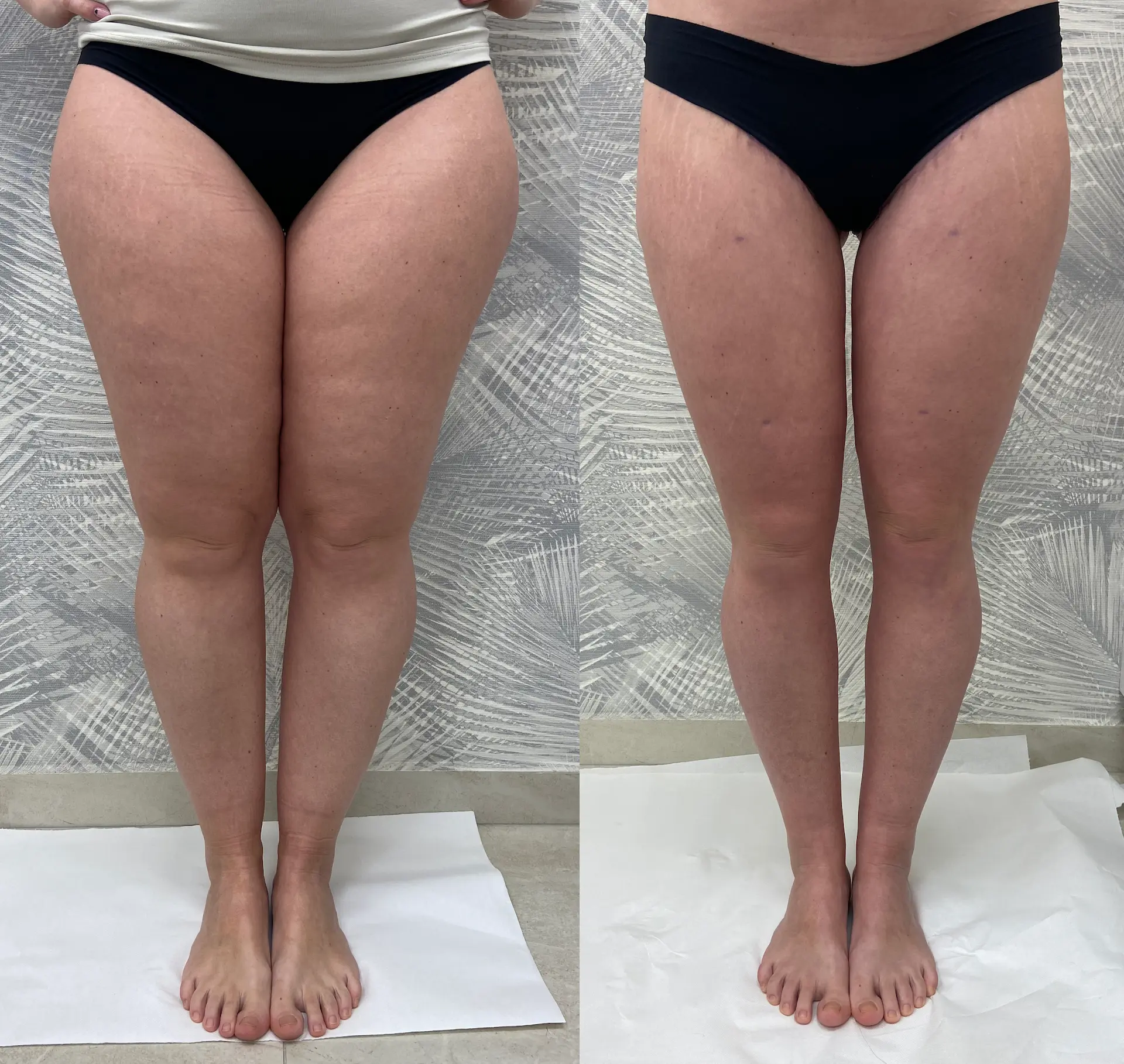
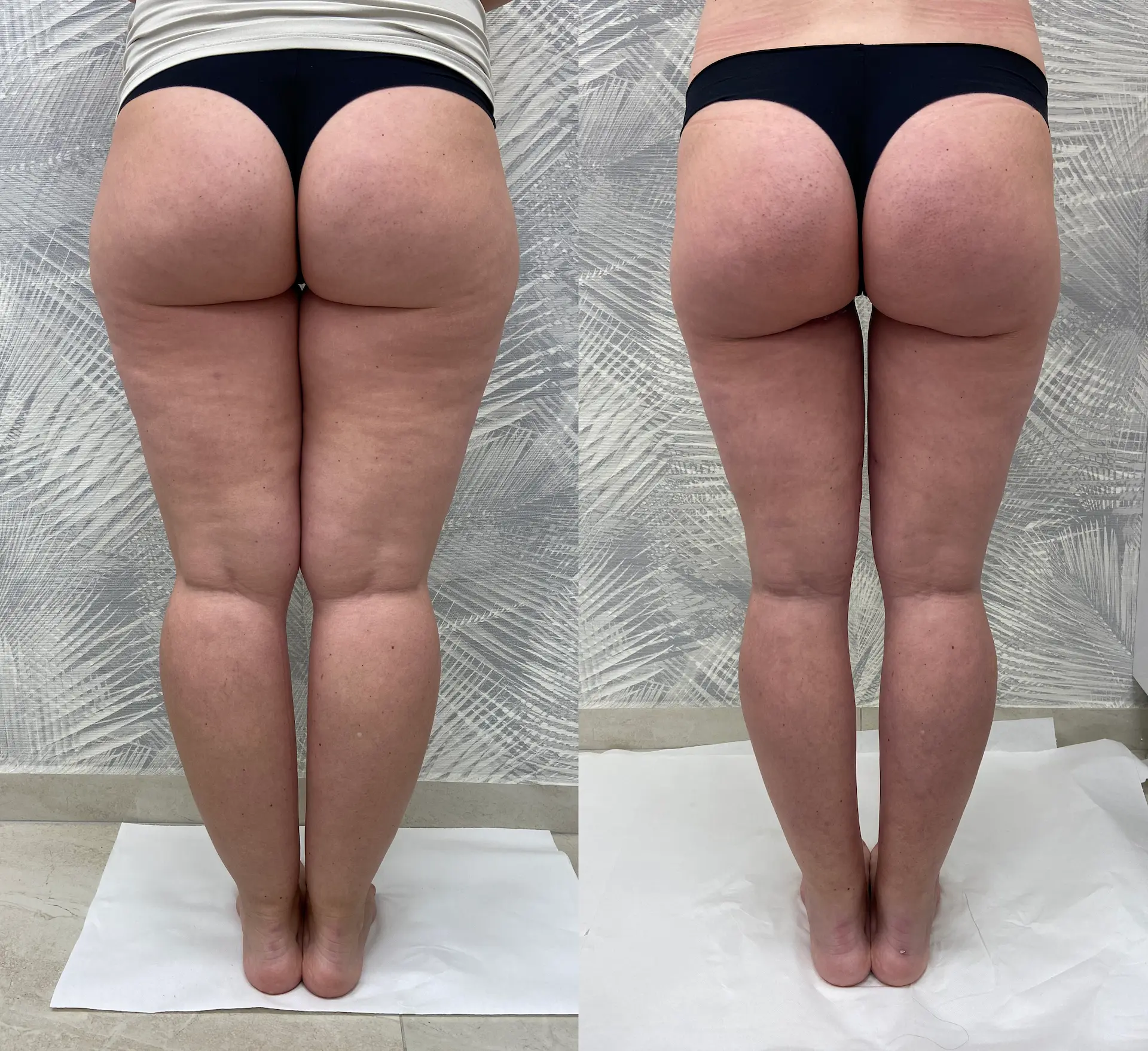
Lipedema surgery removes the abnormal, painful fat that builds up on the legs and arms in lipedema. At the Lymphatic Disease Program at Balaton Private Clinic in Veszprém, Hungary, Dr. Balázs Mohos treats lipedema with lymph-sparing liposuction, a technique designed to protect the lymph vessels. The aim is less pain, less heaviness and easier movement, not a cosmetic change.
At a glance
Treats
Lipedema of the legs and arms, usually in women
Procedure
Lymph-sparing liposuction, often in several planned sessions
Operation
2–3 hours per session under general anesthesia
Hospital stay
Usually one night
Where
Balaton Private Clinic, Veszprém, Hungary. LE&RN Lymphatic Disease Surgery Network of Excellence
Understanding the condition
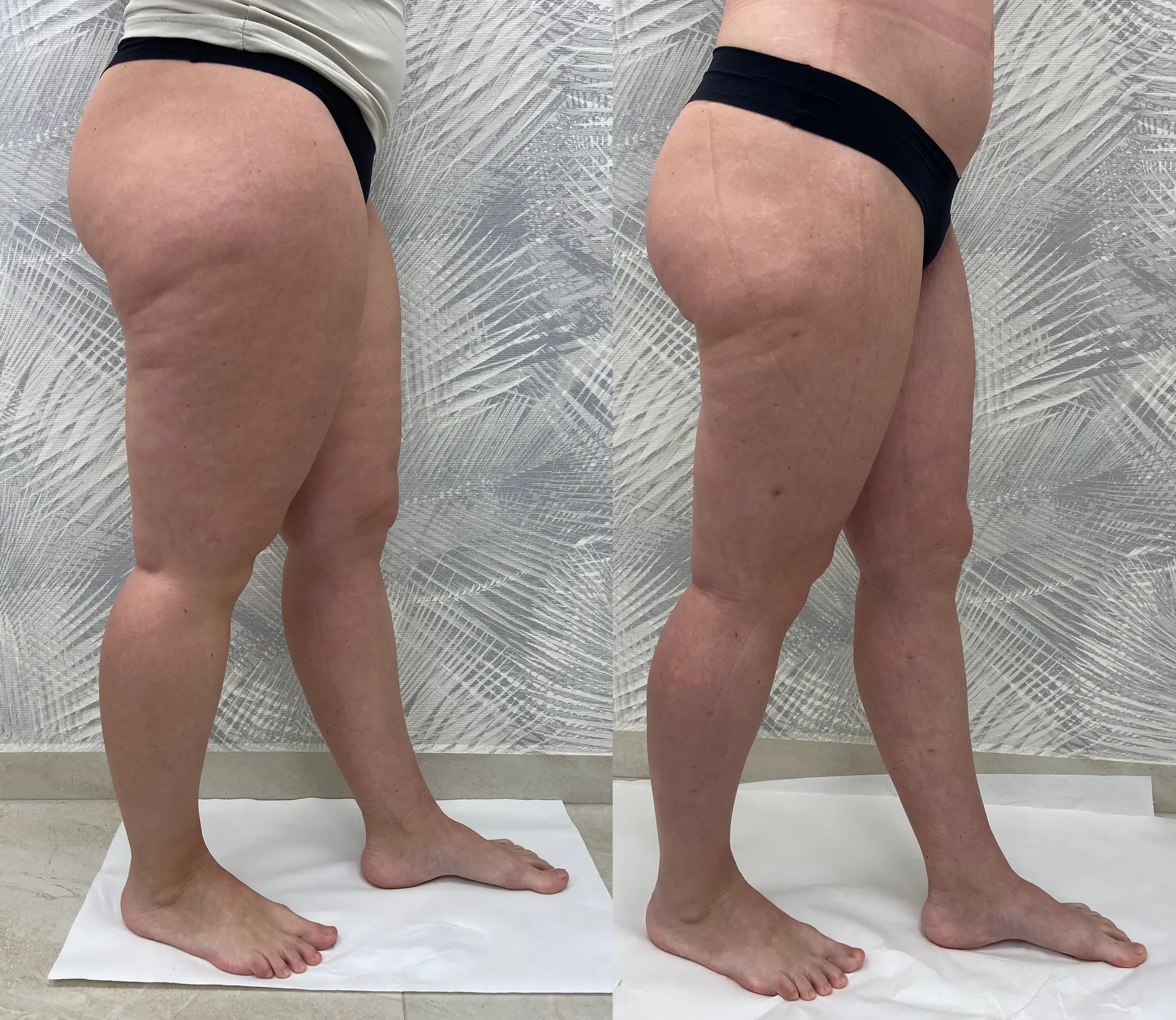
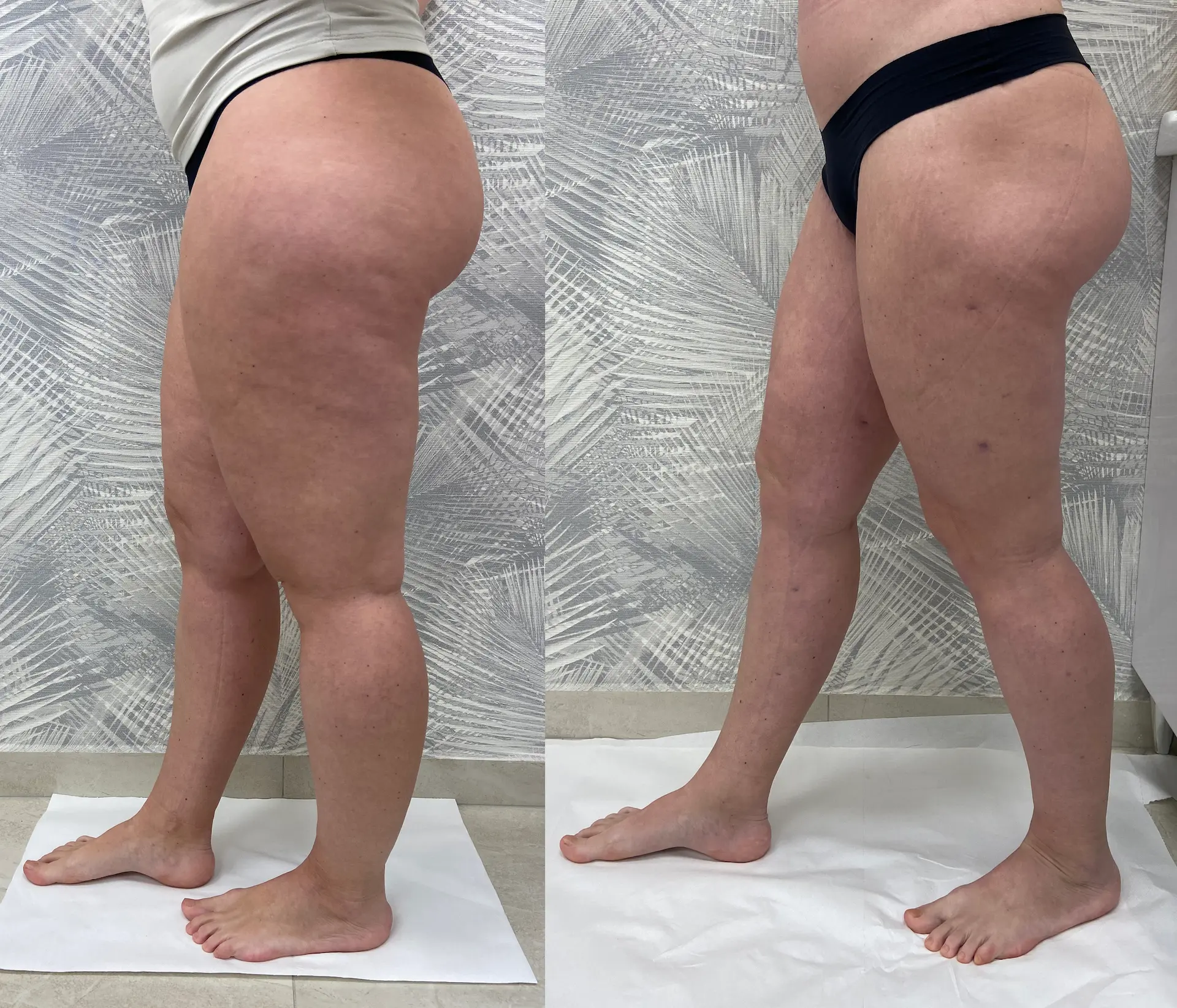
Lipedema is a chronic disorder of fat distribution. Fat cells accumulate symmetrically on the legs, hips and often the arms, out of proportion to the rest of the body. The affected tissue is typically painful, tender to pressure and bruises easily.
It develops on a genetic background and affects almost exclusively women. Symptoms often begin or worsen at times of hormonal change, such as puberty, pregnancy or menopause. Lipedema is not the same as obesity: the fat does not respond to diet or exercise in the usual way, although the two conditions often occur together.
Many women live with symptoms for years before the diagnosis is made, because the condition is easily mistaken for weight gain or for lymphedema. Lipedema can also be combined with lymphedema, which is then called lipo-lymphedema.
Differences
The two conditions are often confused. These features help to tell them apart; the diagnosis itself is made by a specialist.
| Feature | Lipedema | Lymphedema |
|---|---|---|
| Who | Almost only women | Women and men |
| Distribution | Symmetric: legs, hips, buttocks, sometimes arms | Often one limb, asymmetric |
| Feet and hands | Spared, with a sharp “cuff” at the ankle or wrist | Often swollen, including toes or fingers |
| Typical complaints | Tender, painful fat and easy bruising | Swelling, heaviness and tightness |
| Pitting swelling | No, unless lymphedema is also present | Can be present, especially in early stages |
| Effect of diet and exercise | Little change in the affected fat | Does not resolve the swelling |
Symptoms
Lipedema is usually described in three stages based on the skin and the fat tissue. Pain and tenderness can be severe at any stage.
Treatment
There is no cure for lipedema, but symptoms can be controlled. Treatment combines conservative therapy with surgery when it is indicated.
STEP 1
Compression garments, manual lymphatic drainage, regular exercise and a low-carbohydrate diet. These relieve symptoms and can slow progression.
STEP 2
The only treatment that removes the diseased fat. It can substantially reduce pain, heaviness and bruising, and improve mobility.
STEP 3
Compression and lymphatic drainage support healing after each session and help to maintain the result in the long term.
The operation
Lipedema liposuction is a medical procedure, planned around your symptoms and the health of your lymphatic system.
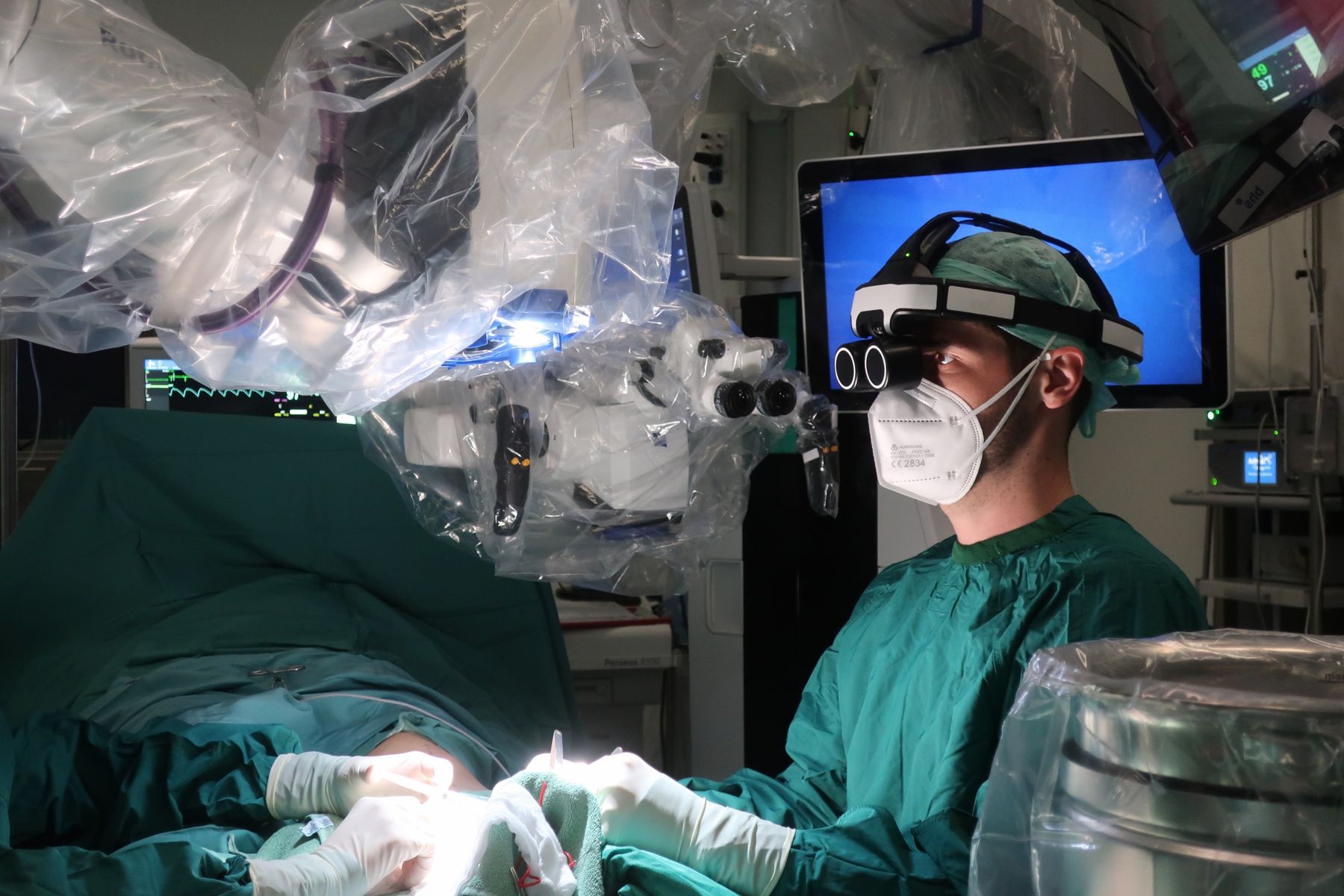
Through small incisions, the abnormal fat is loosened and removed with fine cannulas. Because the lipedema tissue lies close to the lymph vessels, the technique is designed to protect them; this is what distinguishes lipedema surgery from cosmetic liposuction, which aims at body contouring.
General anesthesia 2–3 hours 1 night in hospital Compression garment for 6 weeks
When only a small area is affected, one operation may be enough. Most patients, however, need two or more sessions to treat all affected regions safely. The timing between sessions depends on your age, the stage of lipedema, the amount of fat removed, your general health and your mobility.
Swelling after liposuction lasts longer in lipedema than after cosmetic procedures, and the final result is usually visible after 6–12 months. Most patients report a rapid reduction in pain and easier movement. As with any operation there are risks, which are discussed individually at your consultation.
Recovery
Typical timelines for one session. Your own plan depends on the areas treated and your work.
Anesthesia
General
Hospital stay
1 night, 1 day of bed rest
Pain
Mild to moderate
Compression
Garment for 6 weeks, then as advised
Sleeping
On your back for 1–2 weeks, treated limbs raised
Shower
After 1 week
Driving
After 1 week
Desk work
After 1–2 weeks
Sport
After 4–6 weeks
Full recovery
8–12 weeks; final result after 9–12 months
Is it right for you?
Each indication is a professional decision based on your history, examination and goals.
Questions
Conservative therapy with compression, lymphatic drainage, exercise and a low-carbohydrate diet relieves symptoms. Lymph-sparing liposuction is the only treatment that removes the diseased fat, and it is considered when pain, heaviness or reduced mobility persist despite conservative therapy.
No. Diet and exercise reduce normal body fat, but the lipedema fat on the legs and arms changes little. A healthy weight still matters, because obesity can worsen symptoms.
Lipedema liposuction is a medical treatment aimed at relieving pain and improving mobility. The technique is designed to protect the lymph vessels, and larger volumes are often removed in planned stages. Cosmetic liposuction aims at body contouring.
Small, localized lipedema may need one operation. Most patients need two or more sessions to treat all affected areas safely, planned according to stage, the volume of fat and general health.
Most patients stay one night in hospital, return to desk work after 1–2 weeks, drive after a week and resume sport after 4–6 weeks. A compression garment is worn for 6 weeks. The final result develops over 9–12 months.
Most patients experience lasting improvement. Symptoms can occasionally return, especially if compression and the advice on aftercare and lifestyle are not followed.
Lipedema is an abnormal, painful build-up of fat, symmetric on both legs and sparing the feet. Lymphedema is swelling caused by impaired lymph drainage, often in one limb and including the foot or hand. The two can occur together (lipo-lymphedema).
The cost depends on the number of areas and sessions. You receive a written estimate after the online consultation.
Yes. You start from home with a short enquiry and an online consultation, then travel to Veszprém for the in-person assessment, the final treatment plan and surgery. Aftercare continues with your local therapist, with remote follow-up from our team.
Start with a short enquiry. Our reply tells you how to share your records securely, Dr. Mohos then reviews your case in an online consultation, and you receive a written professional recommendation with an estimated cost.